
Original SF; bed washing; epigenetic ageing; grief; NHS 10 year plan.
Always on, always tired, sometimes rude – how to avoid the ‘triple-peak trap’ of modern work
The Conversation
I just knew it! “[…] the same bosses who praised weekend digital detoxing also ranked the detoxers as less promotable than colleagues who were glued to their inboxes”. Also of interest: “identical messages were rated as more uncivil on email than on Teams, particularly when they were informal.”
Reactor: Original Fiction
Nice looking collection of short science fiction stories, and news. Via Paul Silver.
How often should you really be washing your bedding? A microbiologist explains
The Conversation
After reading this, I think it’s probably best to set fire to your bed every morning.
Robots demonstrate principles of collective intelligence
Nature
A round up of small robot research—kilobots and BlueGuppy, for example—looking at how they self organise and the importance of real world effects, like noise. Very cool stuff!
Ageing is linked to inflammation — but only in the industrialized world
Nature
“But in the Tsimane and Orang Asli [non-western] populations, the inflammaging pattern was absent. The same inflammatory molecules did not rise consistently with age, and they were not strongly linked to age-related diseases.” Same story is: Ageing isn’t the same everywhere (The Conversation).
How to support someone who is grieving: five research-backed strategies
The Conversation
- Reassure the person that there’s no “right” way to grieve and support them in tuning into what their body and emotions need;
- Acknowledge the death;
- “grief is personal and unpredictable. There’s no timeline, no script and no shame in not following one”;
- Keep the memory alive with communication; and
- “Make specific, practical offers”.
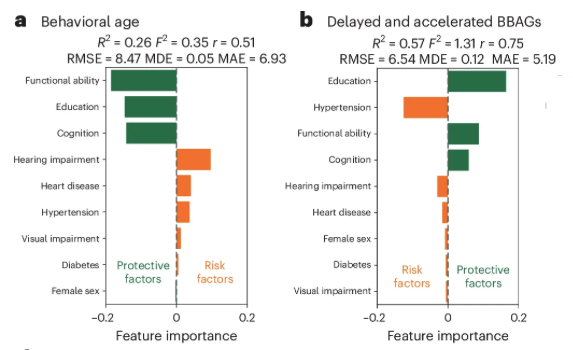
Why do ageing rates vary by country? Massive study says politics play a part
Nature
A study of 162k people in 40 countries: “Social inequality and the decay of democratic institutions are linked to accelerated ageing”. Along with the usual suspects:
Editing epigenetic age
Nature
CpG sites are areas of the genome that follow a particular pattern (a cytosine followed by a guanine) and become modified, (methylated) with age, and that typically lowers the production of the proteins from that gene. The article reports: “More surprisingly, however, they found that editing the methylation level of just a single region induced methylation gains across the genome […] So, experimentally interfering with the methylation of one age-related region spreads out to CpGs across the genome.”
Will the NHS 10-year plan fix England’s crumbling health service?
Financial Times
“The 168-page blueprint for change outlined the detail behind the desire to deliver three shifts: from hospital to community, from analogue to digital and from sickness to prevention.”