
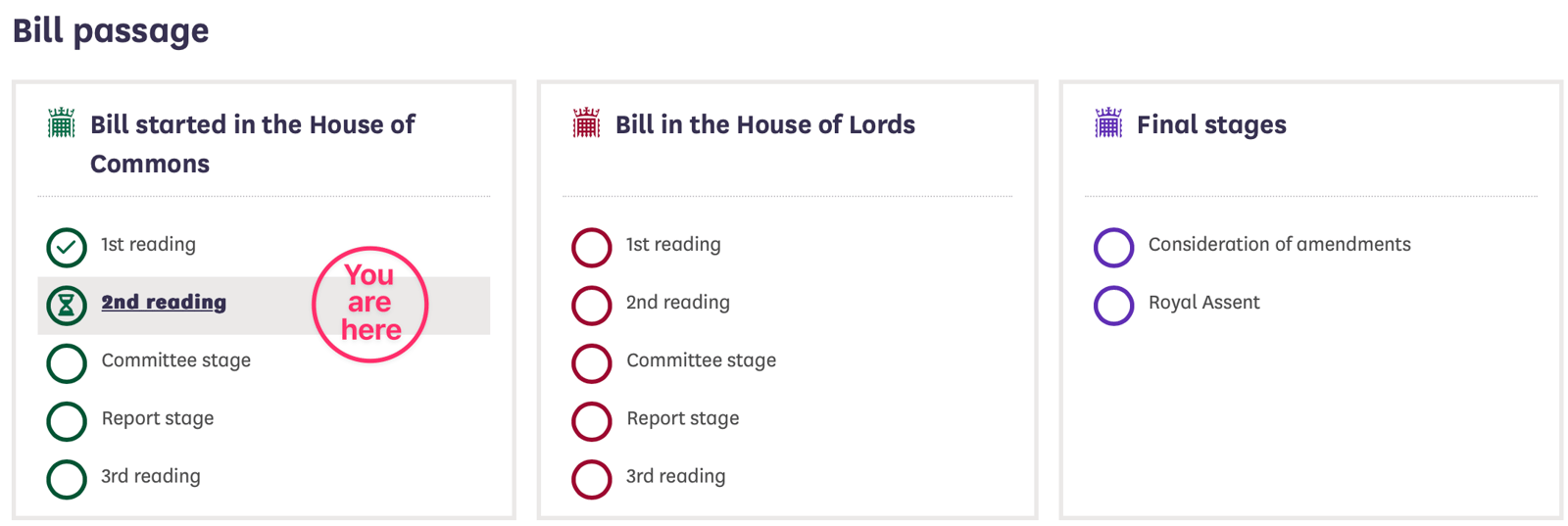
On Friday there’s a second reading of MP Kim Leadbeater’s bill to allow terminally ill adults end their life, subject to safeguards.
The arguments against the bill include: it’s not perfect (that’s right, laws aren’t); morals (good luck with that); and the “slippery slope” (which lacks solid evidence).
There is an argument to invest more in palliative care. I don’t know anyone who disagrees with that. “Funding palliative care properly is morally right and financially wise”, perhaps costing £350m/year but freeing up hospital beds ("How to fix palliative care in Britain”, The Economist, 21 Nov 2024).
But when you push on the question of unbearable suffering, even with the best palliative care in the world, you end up at this:
If all goes badly wrong, he [Charles Foster] continued, patients can be sedated to unconsciousness and life-sustaining fluids can be withdrawn.
— The lawyer at the heart of the ferocious debate over assisted dying,
FT, 16 Nov 2024.
You die with water and foods withdrawn, and drugged so there’s no signs of suffering. Practical, yes, acceptable for many (the majority?), but looks to me like a form of poorly-consented assisted dying. We can do better.
One idea: give the person who didn’t want that end the choice to die sooner, it at a time and date of their choosing, subject to safeguards. And that would be an assisted dying law.
Perhaps the most credible argument against the bill is that it may not have enough time and scrutiny, due the way it’s been introduced. We will see.
Related to all this, there’s a great guide to advance statements and how to record your wishes: https://compassionindying.org.uk