
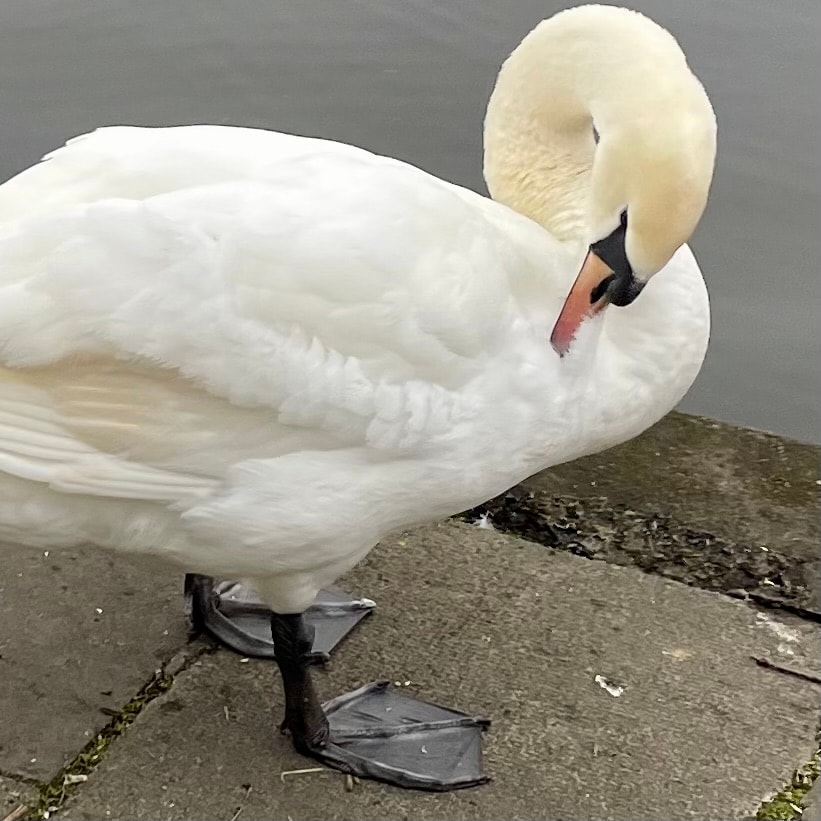
Jane pointed this out to me the other day, and she's right. They have huge feet.
But do they really, and can we check?
There's the AVONET data set from Imperial with body measurements for all 11,000 bird species. That has the weight of birds in it, and I suppose we'd expect foot length to increase with mass, so perhaps swans stick out on a plot of mass vs foot length.
Sadly, the foot length (digit length) isn't in the dataset, but there is something called the "Tarsus Length" which is part of the foot:
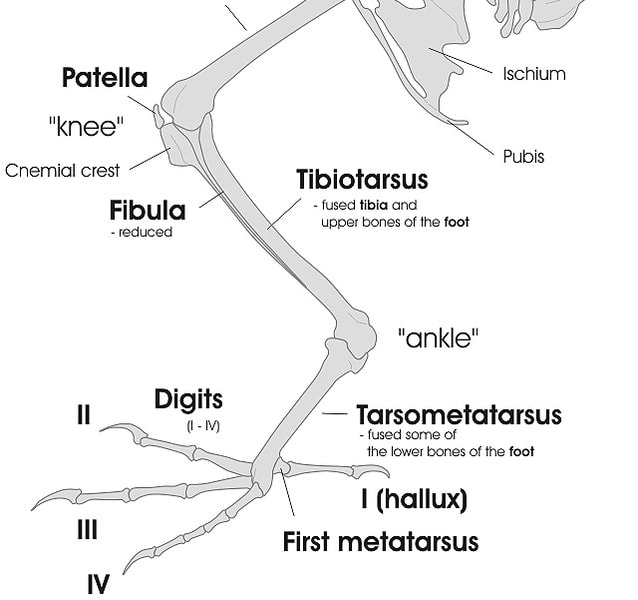
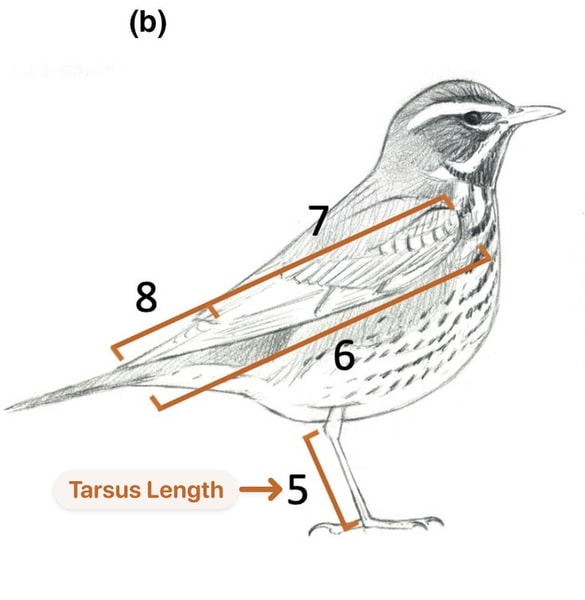
It's not ideal, but perhaps we can use it as a proxy for digit length. You might expect birds with a similar lifestyle might have correlated leg and digit length. I'm waving my hands wildly here.
I tried it and this is what I get:
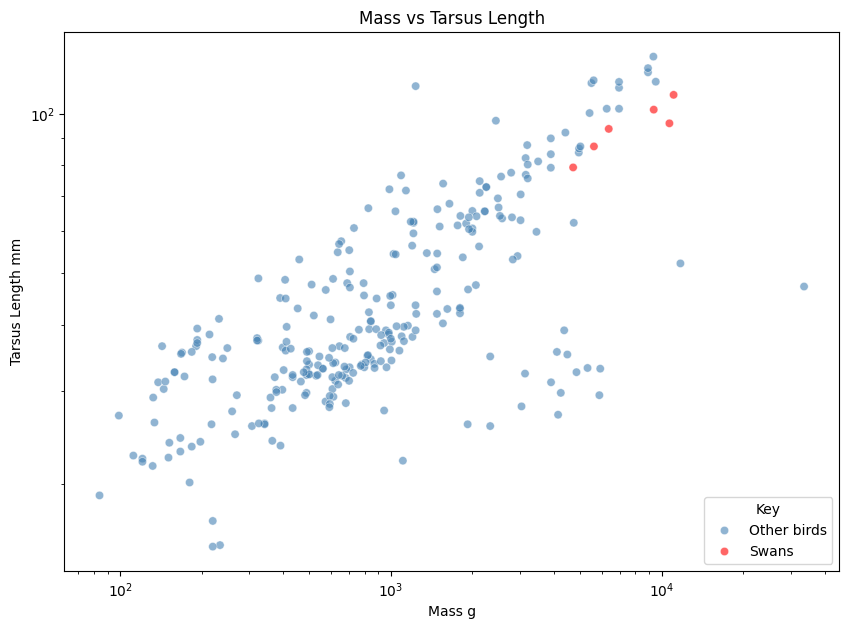
Swans are up there, but there are some birds punching above their weight. Zooming in:
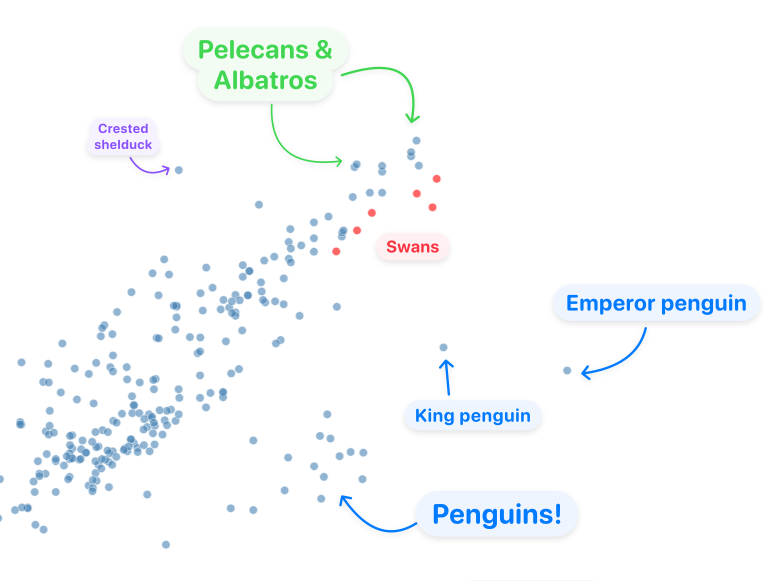
So I suppose, yes, swans have big feet, but they're about right for the size of the bird. Thank you, evolution.
Given that penguins stick out here, I'd imagine Tarsus length isn't that good for this. I assume penguins need some mighty webbing when diving, but perhaps have short-ish legs generally for snuggling onto those eggs and chicks. But I have limited experience of penguins, so I've no idea.
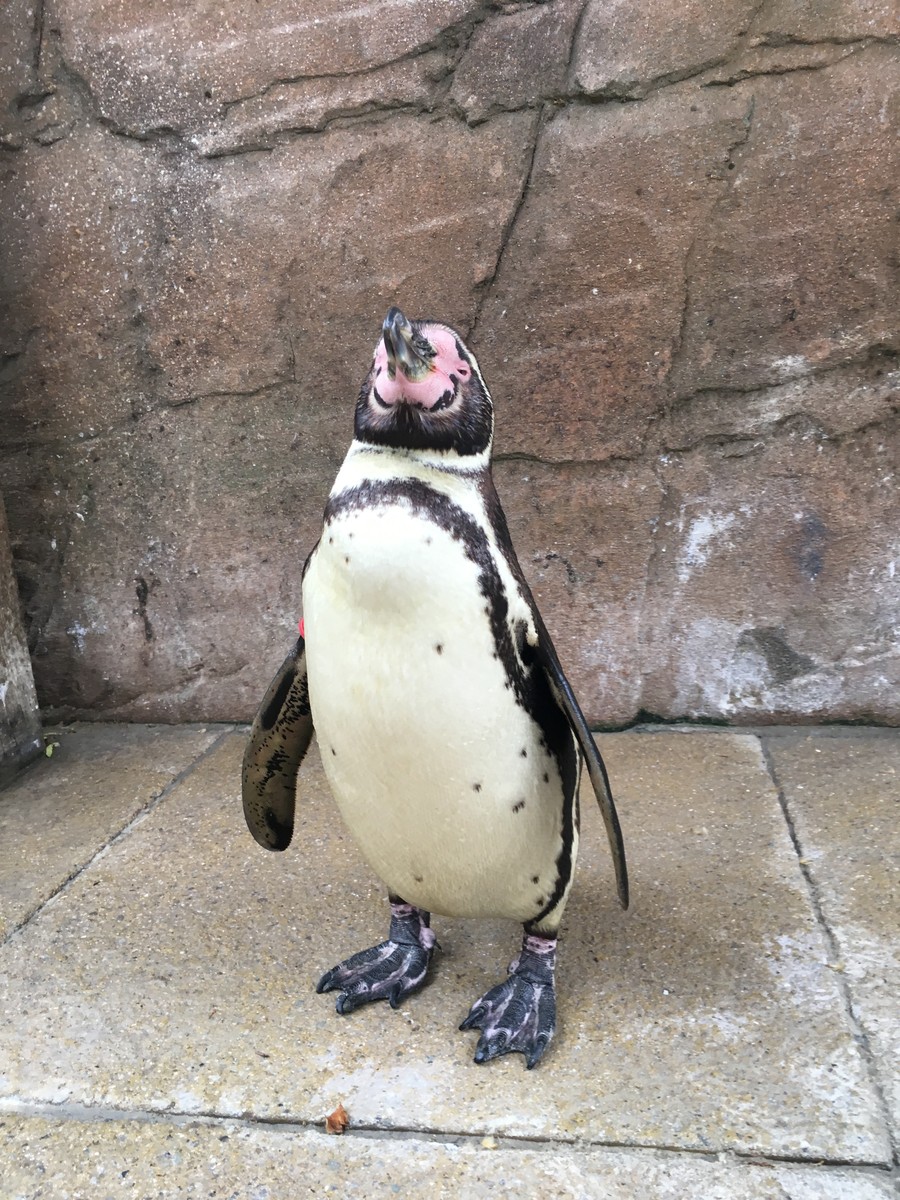
So that'll have to do until someone goes out there and starts measuring bird feet.
* * *
Links:
- Tobias, J.A., Sheard, C., Pigot, A.L., Devenish, A.J.M., Yang, J., Sayol, F., et al. (2022) AVONET: morphological, ecological and geographical data for all birds. Ecology Letters, 25, 581–597.
- Wikipedia's pages on the Webbed Foot and Bird Feet and Legs were very useful.
And thank you to Professor Joe Tobias at Imperial for addressing my stupid questions about swan feet.